

Vacuum brazed diamond tools are widely used across industrial metalworking and stone processing where high material removal, stable cutting/grinding action, and predictable tool behavior matter. This page from UHD Ultrahard Tools Co., Ltd explains the definition, typical structure, where they work best, and the application boundaries that help engineers and buyers make informed selection and procurement decisions.
Practical note: “Vacuum brazed” refers to the joining process used to attach diamond grit to a metal tool body under vacuum conditions—commonly chosen to improve bonding quality and consistency for demanding cutting/grinding tasks.
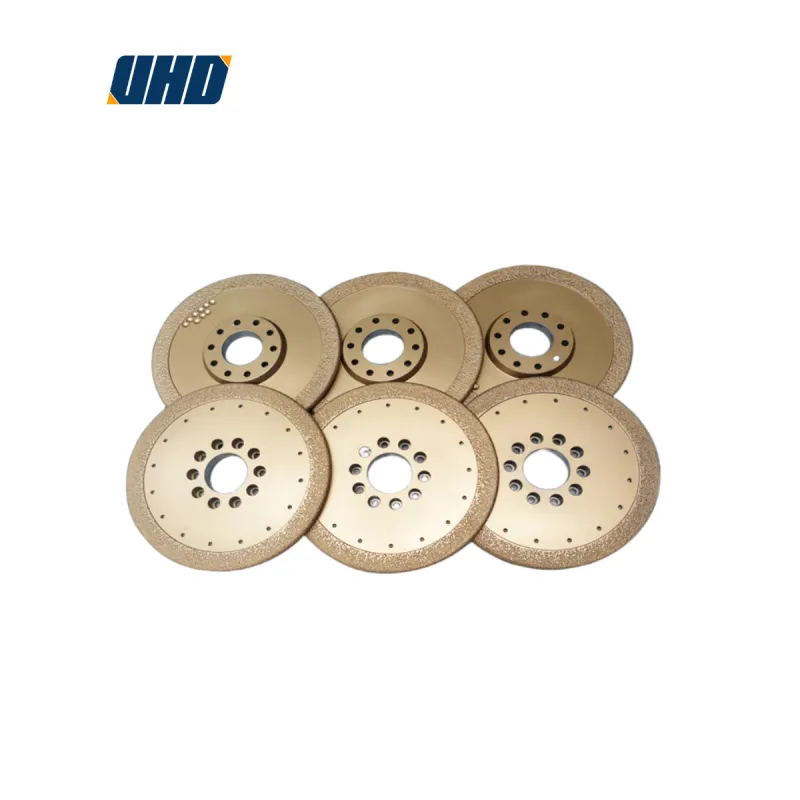
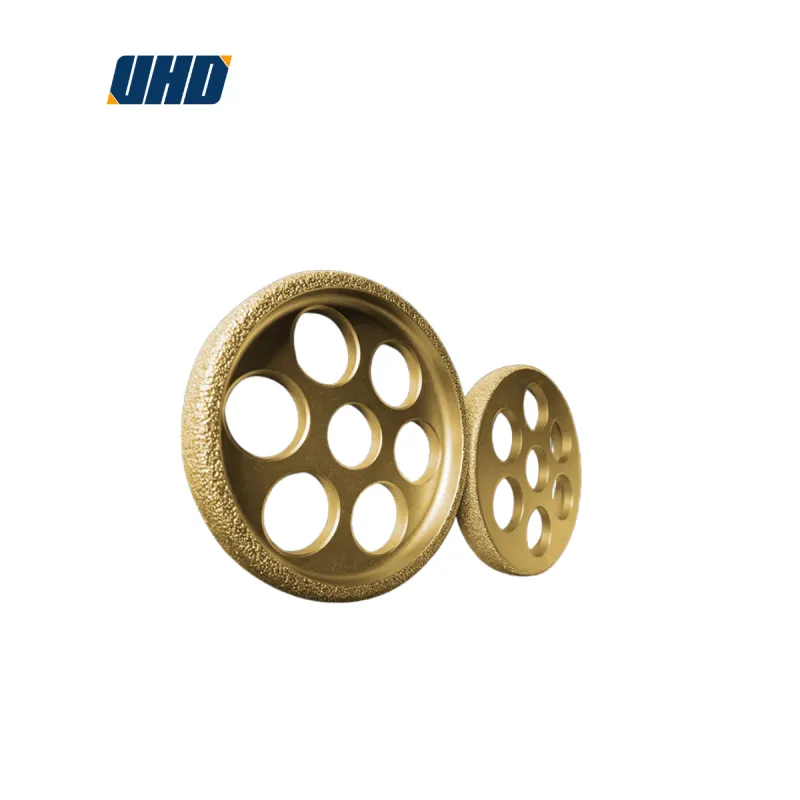
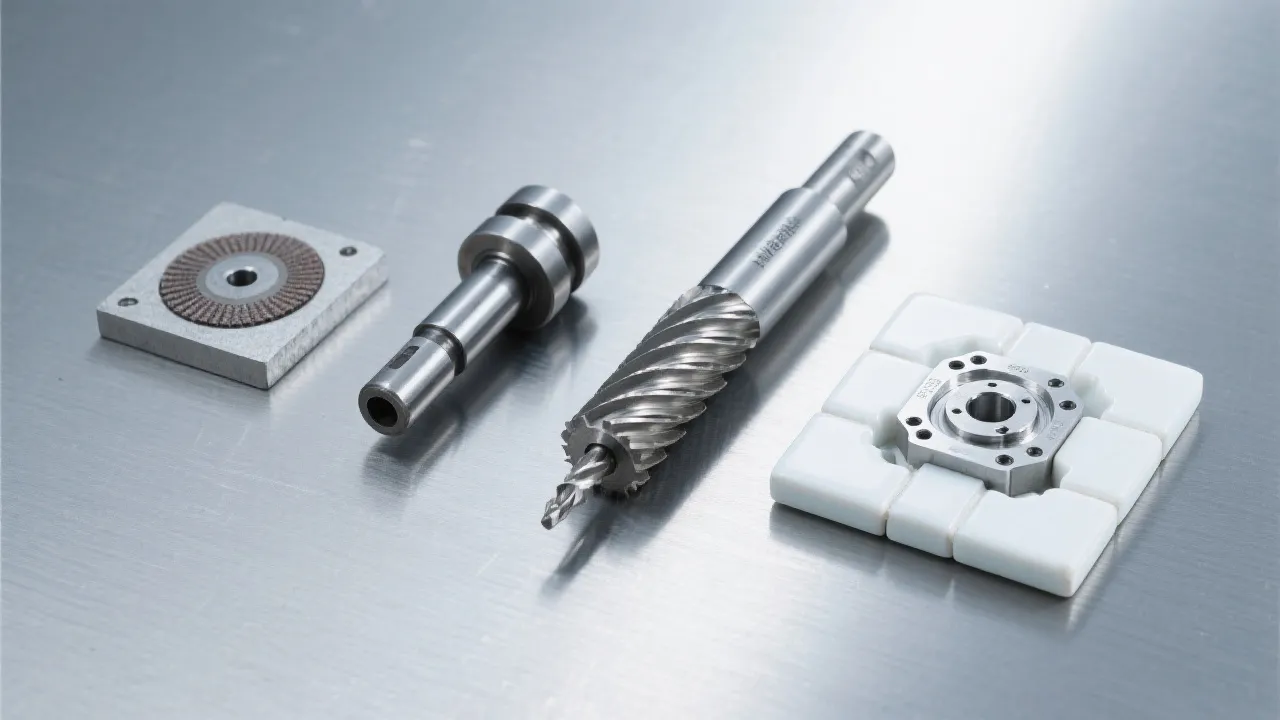
Vacuum brazed diamond tools are ultrahard material tools that use a brazing alloy to bond diamond abrasive particles onto the working surface of a tool body (e.g., a wheel, cup, burr, blade segment, or profiling form). The brazing is performed in a vacuum environment to control oxidation and support a cleaner, more reliable bond interface.
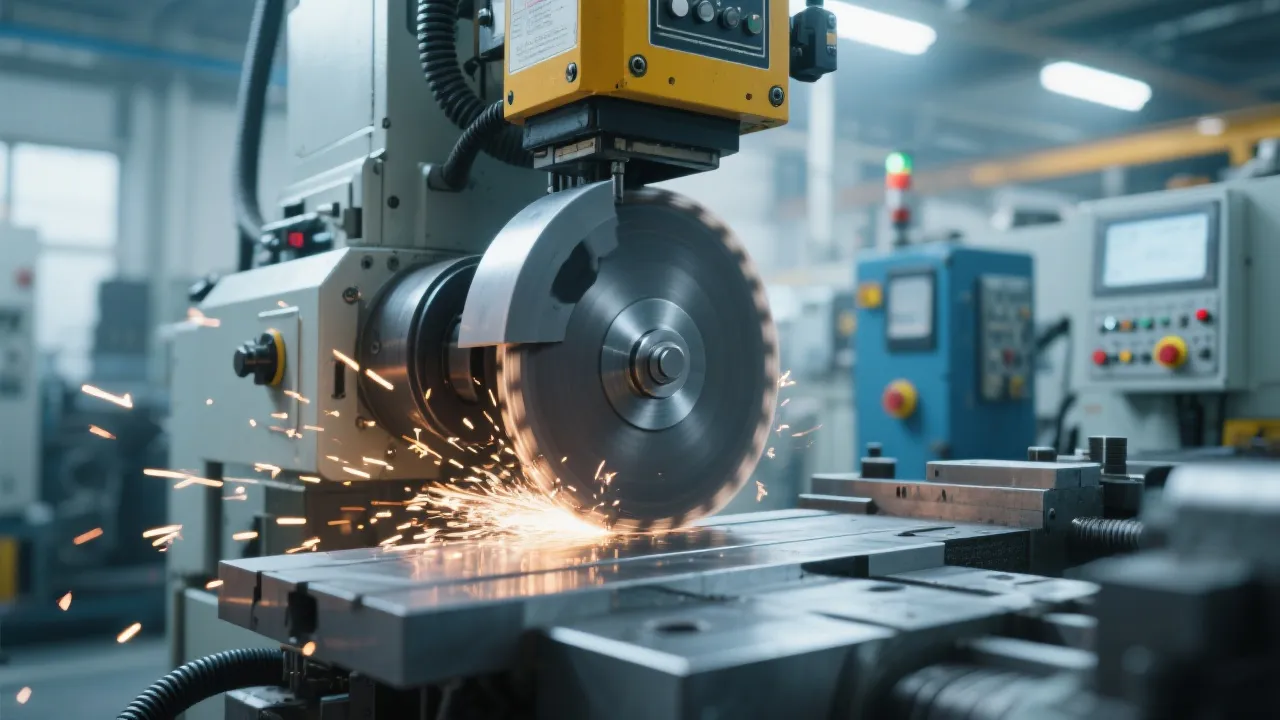
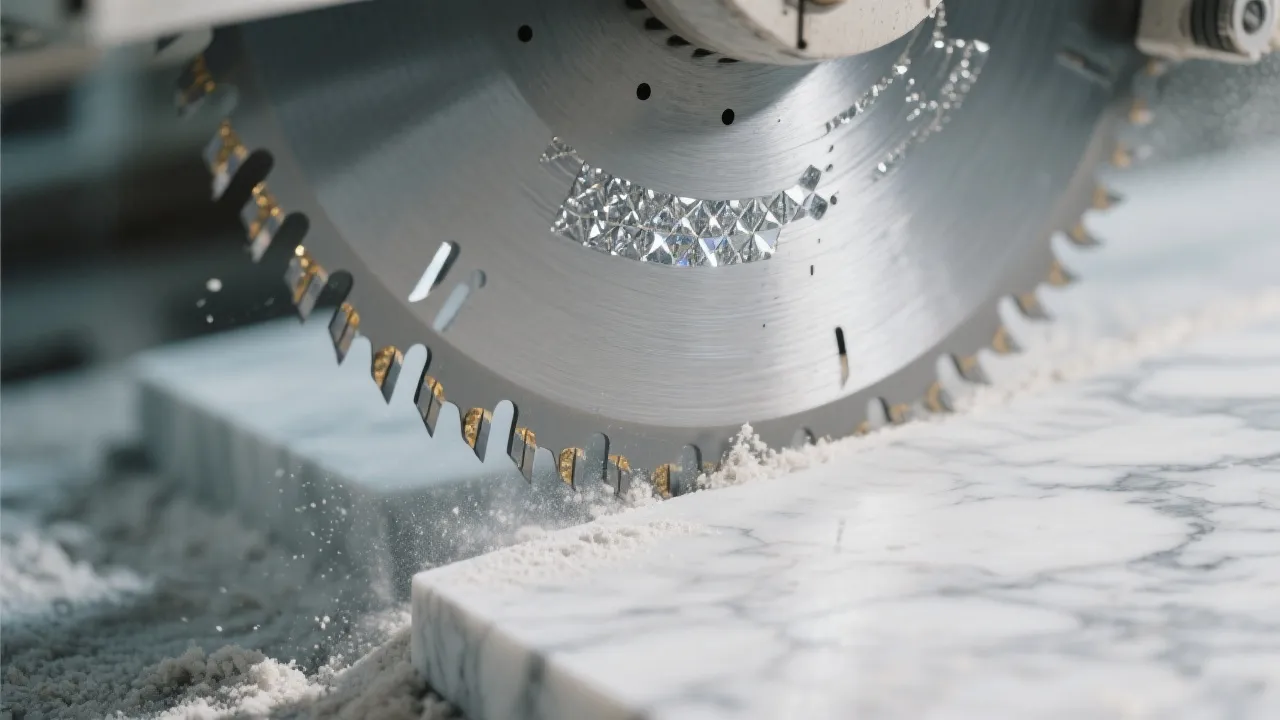
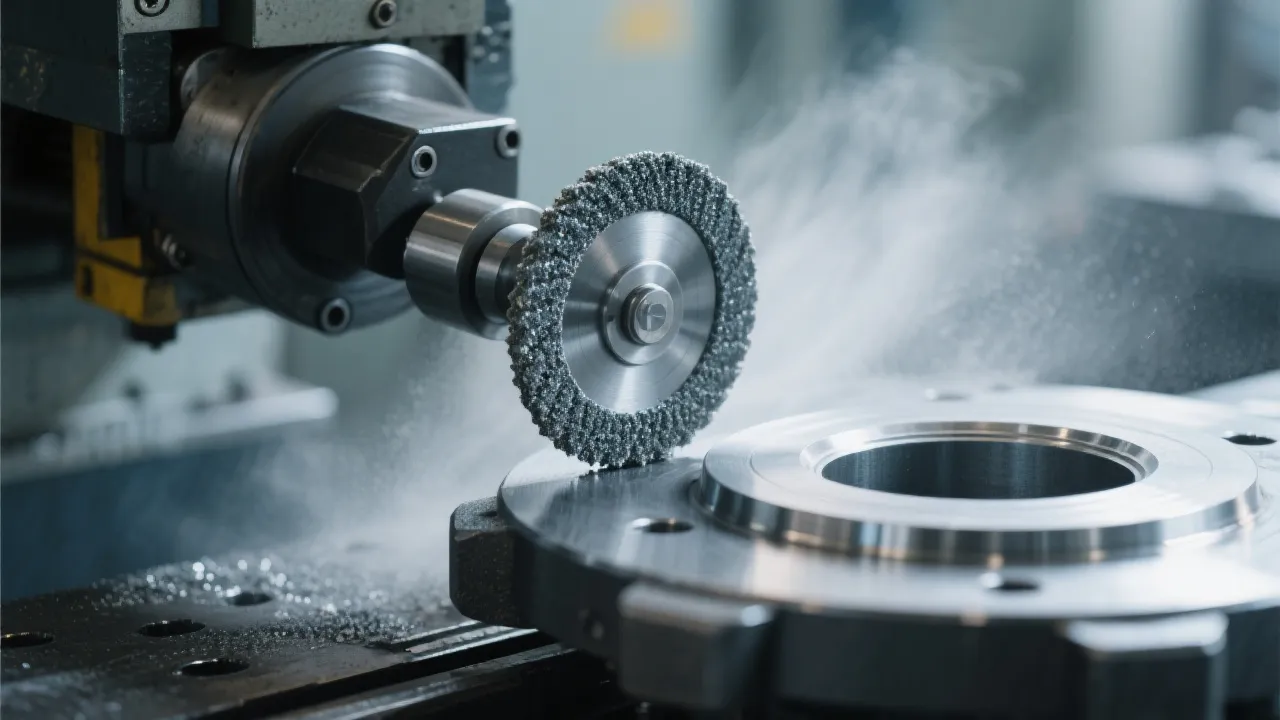
In use, exposed diamond grit performs the cutting or grinding, while the brazed bond holds the grit in position under mechanical load and heat generated during processing.
The metal base that provides rigidity, mounting geometry, and heat conduction. The substrate design affects stability, runout tolerance, and how the tool behaves at different speeds and loads.
A brazing alloy layer forms the interface between substrate and diamond grit. The vacuum brazing process aims for a controlled metallurgical bond and consistent grit retention.
The cutting points. Grit size and concentration influence surface finish, stock removal rate, and tool aggressiveness—important for matching the tool to the workpiece material and desired result.
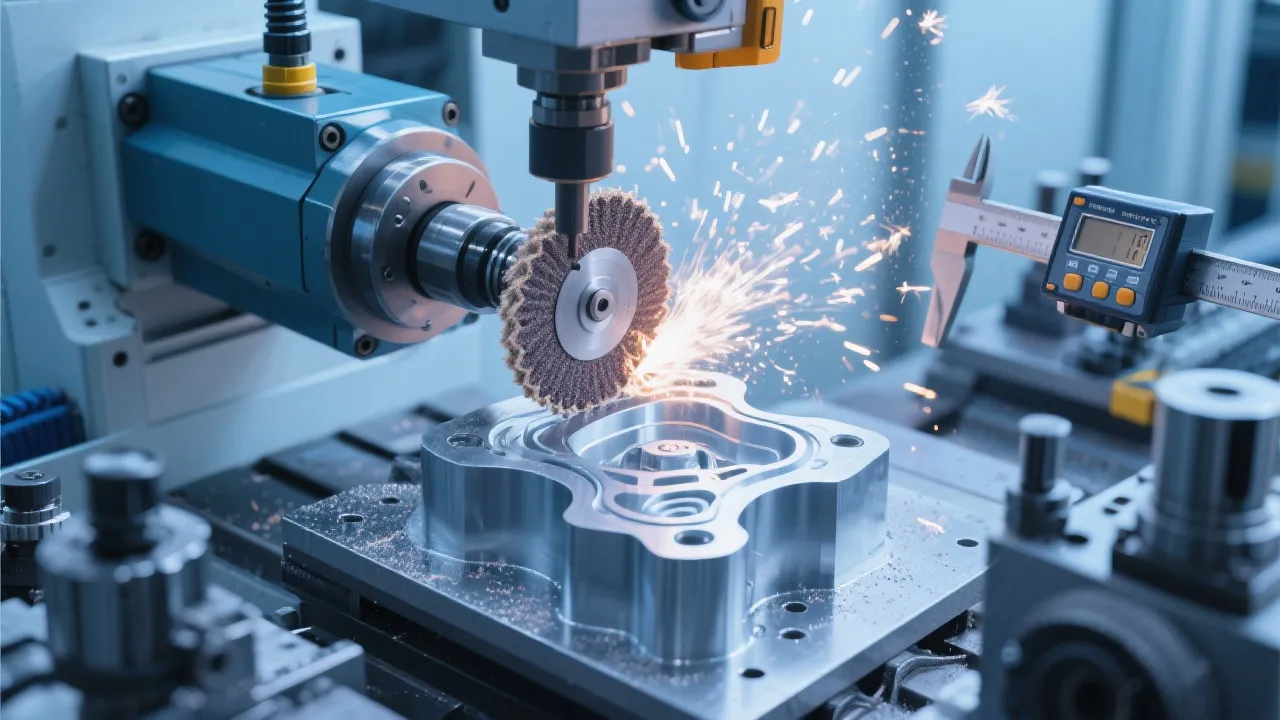
The working mechanism is straightforward: diamond grit contacts the workpiece, cuts or abrades the surface, and removes material as chips or fine particles. The brazed bond is designed to keep the abrasive particles stable during repeated contact, while the tool body helps dissipate heat and maintain mechanical stiffness.
Selection clue: If your process requires a balance between high stock removal and controlled tool behavior, focus on matching grit size, tool form, and operating conditions (speed/feed, dry or wet, and contact pressure) to the specific material and geometry.
Vacuum brazing aims to improve bonding consistency, helping keep diamond particles stable under demanding contact conditions.
Exposed diamond cutting points can support aggressive stock removal when paired with correct speeds, feeds, and cooling strategy.
Tool form factors (cups, wheels, burrs, blades, profiles) make it easier to match geometry, access, and finish requirements.
Buyers can systematically compare grit size, tool shape, and operating window to reduce trial-and-error during procurement.
Performance depends heavily on workpiece material, machine rigidity, tool speed, and cooling / dust control. To avoid misapplication, keep the following boundaries in mind:
UHD Ultrahard Tools Co., Ltd (河南优德超硬工具有限公司) is a high-tech enterprise focused on the R&D, manufacturing, and sales of ultrahard material tools, including vacuum brazed diamond abrasives and related tooling solutions for industrial applications. UHD collaborates with academic partners such as Henan University of Technology to support ongoing research in ultrahard cutting and grinding tools, and serves global B2B buyers through established international trade channels.
.png?x-oss-process=image/resize,h_800,m_lfit/format,webp)

 468
|
468
|
 vacuum brazed diamond grinding wheel
automotive parts machining
ductile iron grinding wheel
customized industrial cutting tools
green eco-friendly grinding wheels
52
|
diamond grinding wheels
EN 13465 dust limit
mechanical processing safety
CE certified grinding tools
industrial abrasive standards
446
|
brazed diamond grinding disc
electroplated diamond disc
active brazing metallurgical bond
diamond grit retention
high temperature wear resistance
82
|
brazed diamond grinding wheel
stainless steel grinding
diamond wheel maintenance
grinding wheel longevity
stainless steel研磨技巧
460
|
gray cast iron grinding wheel selection
vacuum brazed diamond grinding wheel
diamond wheel grit size for cast iron
low dust cast iron grinding
CE compliance grinding tools
vacuum brazed diamond grinding wheel
automotive parts machining
ductile iron grinding wheel
customized industrial cutting tools
green eco-friendly grinding wheels
52
|
diamond grinding wheels
EN 13465 dust limit
mechanical processing safety
CE certified grinding tools
industrial abrasive standards
446
|
brazed diamond grinding disc
electroplated diamond disc
active brazing metallurgical bond
diamond grit retention
high temperature wear resistance
82
|
brazed diamond grinding wheel
stainless steel grinding
diamond wheel maintenance
grinding wheel longevity
stainless steel研磨技巧
460
|
gray cast iron grinding wheel selection
vacuum brazed diamond grinding wheel
diamond wheel grit size for cast iron
low dust cast iron grinding
CE compliance grinding tools





.png?x-oss-process=image/resize,h_100,m_lfit/format,webp)
.png?x-oss-process=image/resize,h_100,m_lfit/format,webp)
.png?x-oss-process=image/resize,h_100,m_lfit/format,webp)