
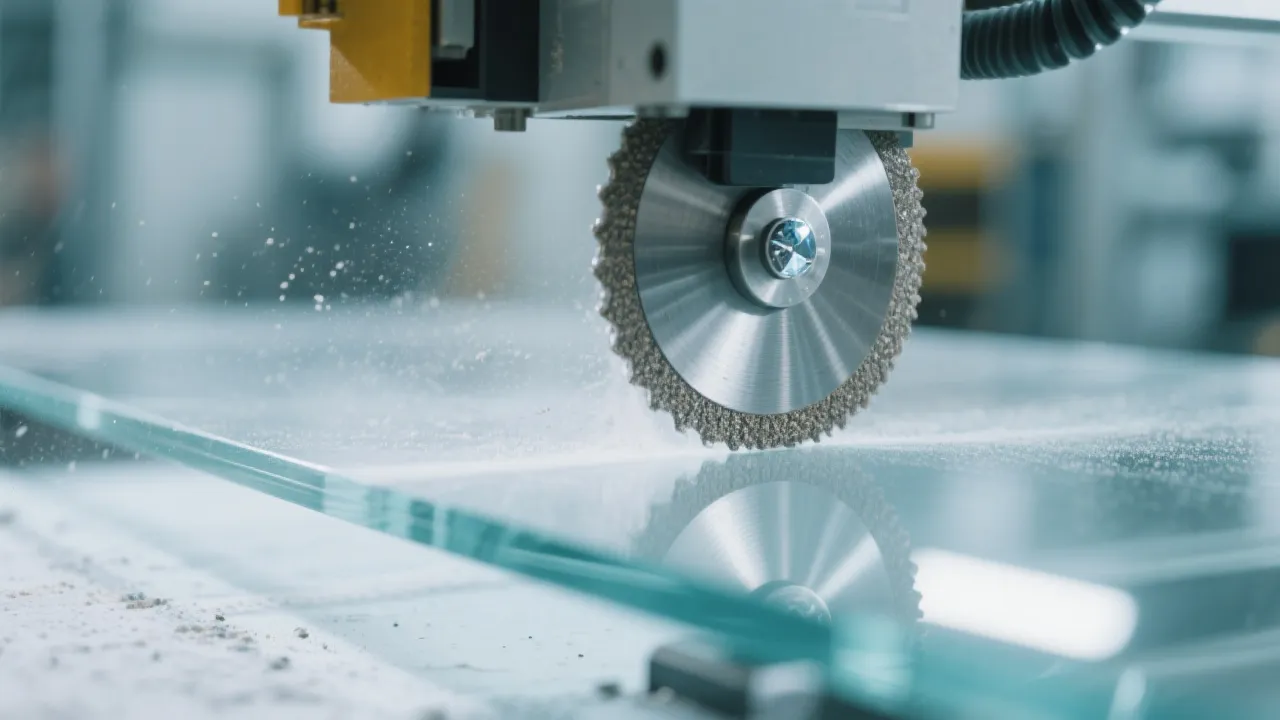
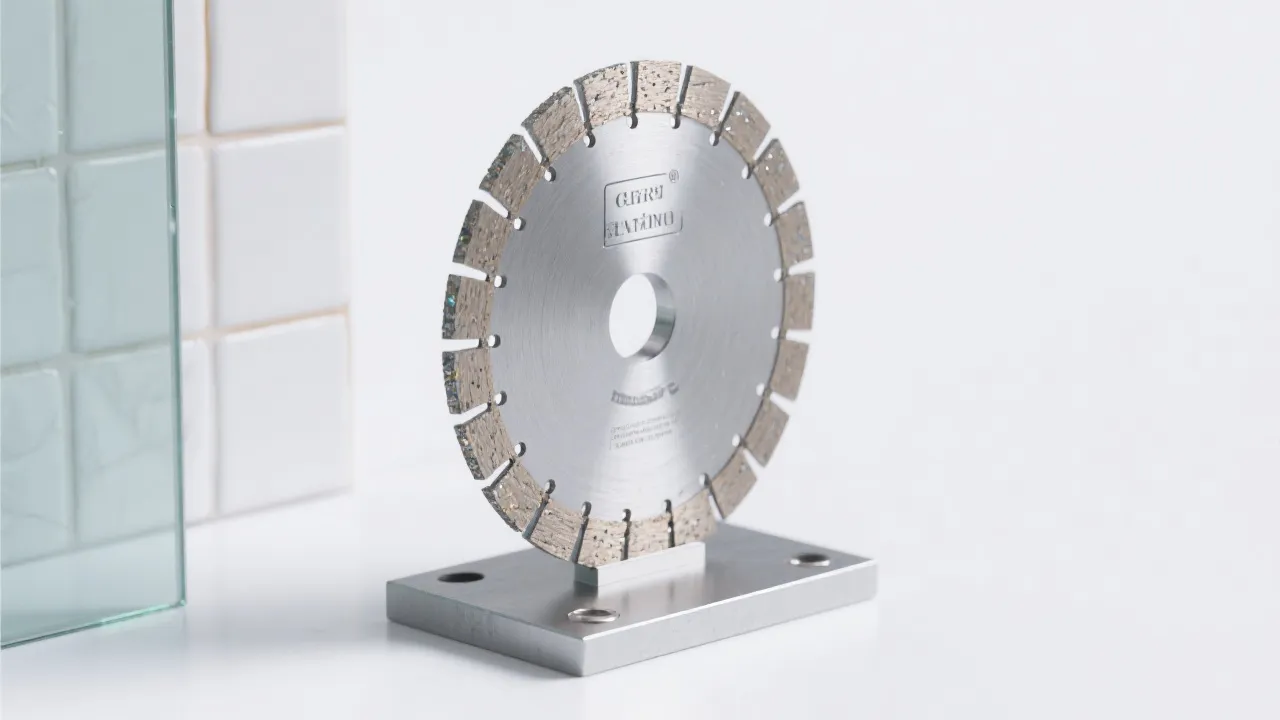
High-load cutting and grinding put tools under sustained mechanical stress, thermal fluctuation, and abrasive wear. In these conditions, vacuum brazed diamond tools are often evaluated for their ability to keep diamond grains firmly anchored while maintaining cutting efficiency.
This page from UHD Ultrahard Tools Co., Ltd explains the technical characteristics, where performance advantages typically show up under heavy load, and the practical application limits engineers and procurement teams should consider during process evaluation and tool selection.
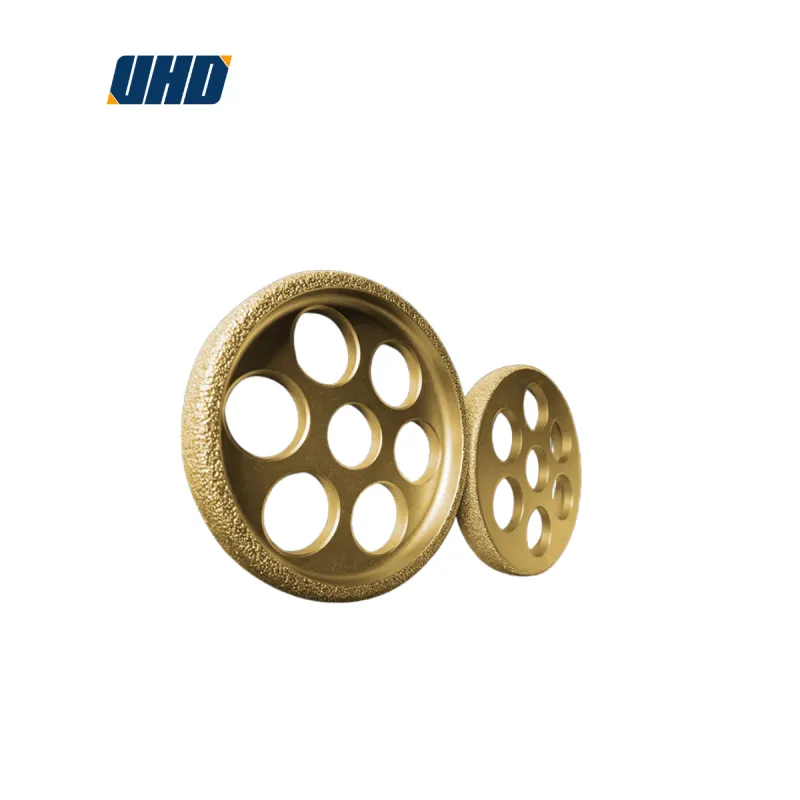
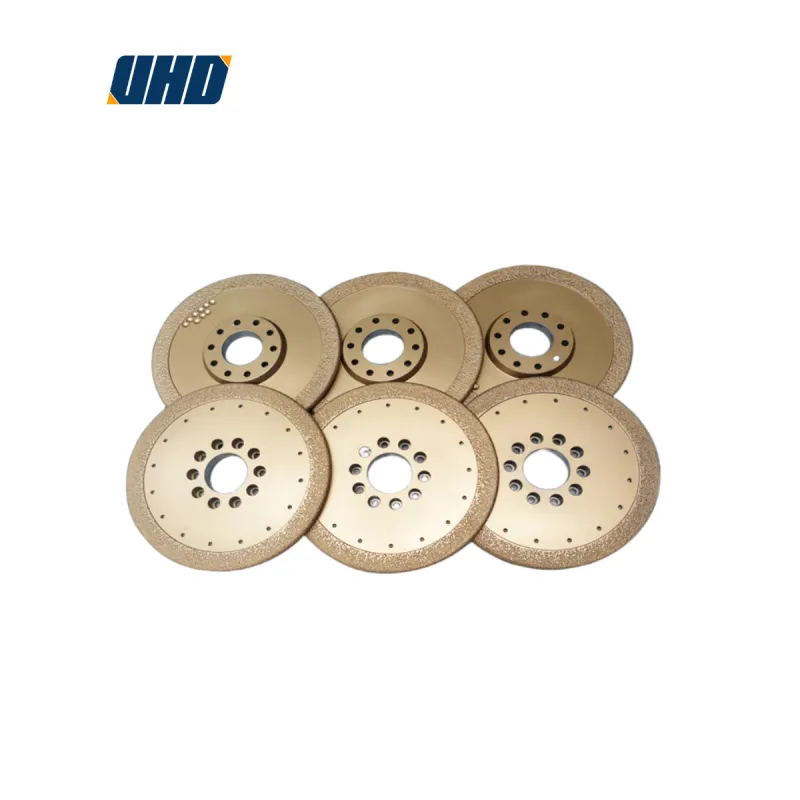
Vacuum brazing is a joining method where diamond abrasive grains are bonded to a metal tool body using a brazing alloy in a controlled vacuum environment. The goal is to achieve a stable metallurgical bond and consistent grain retention—especially important when loads and vibration increase.
When properly matched to the workpiece material and process window, vacuum brazed diamond tools can offer advantages that are especially relevant for heavy-duty operations:
Engineering note: In high-load machining, “better performance” is best measured through your own process indicators—power draw, surface condition, tool wear pattern, and consistency across batches—rather than a single universal metric.
Heavy-load cutting and grinding tend to expose small mismatches quickly. To evaluate stability for vacuum brazed diamond tools, focus on observable process behavior:
Vacuum brazed diamond tools are powerful, but not universal. Understanding boundaries helps prevent misapplication and reduces trial-and-error cost.
Diamond abrasives are typically evaluated carefully for certain materials and conditions. If the workpiece chemistry and temperature at the cutting zone are unfavorable, diamond wear may accelerate. Confirm suitability by material type and process heat level.
High-load operations can generate intense localized heat. Inadequate coolant, poor airflow, or restricted chip removal can cause instability, surface damage, or faster wear. Cooling strategy is part of tool selection.
Tool stability under load depends on spindle condition, rigidity, balance, runout, and fixturing. Even a strong tool may underperform if system stiffness is insufficient or vibration is present.
Excessive depth-of-cut, feed, or contact pressure beyond a reasonable range can lead to rapid wear or grain damage. Define a safe operating window during trials and lock parameters for production.
For engineering review and procurement comparison, a structured evaluation reduces risk and speeds up selection:
Tip for sourcing: Provide your drawings/tool form, application description, and current parameters when requesting a quotation. Clear inputs help shorten the iteration cycle and support a more accurate recommendation.
UHD Ultrahard Tools Co., Ltd focuses on ultrahard tooling solutions for industrial applications, including vacuum brazed diamond tools and related superhard products. With a quality-first mindset and an R&D-driven model, UHD supports B2B customers by aligning tool design with specific process requirements—so performance evaluation is based on measurable process behavior rather than assumptions.
If you are assessing vacuum brazed diamond tools for a high-load cutting or grinding operation, UHD can assist with specification clarification and application boundary checks to support a practical, production-oriented selection.

.png?x-oss-process=image/resize,h_800,m_lfit/format,webp)
 99
|
99
|
 UHD Ultrahard Tools Co., Ltd
superhard material tools
diamond tools
abrasives and grinding tools
vacuum brazed diamond
392
|
UHD Ultrahard Tools Co., Ltd
vacuum brazed diamond cutting abrasive
superhard tools
definition and applications
industrial tool selection
271
|
UHD Ultrahard Tools Co., Ltd
vacuum brazed diamond cutting abrasives
superhard tools
performance features
industrial cutting and machining applications
102
|
UHD Ultrahard Tools Co., Ltd
ultrahard tool selection guide
diamond tools
abrasives and grinding tools
vacuum brazed diamond
435
|
UHD Ultrahard Tools Co., Ltd
stone processing application case
cutting efficiency improvement
machining consistency
ultrahard material tools
UHD Ultrahard Tools Co., Ltd
superhard material tools
diamond tools
abrasives and grinding tools
vacuum brazed diamond
392
|
UHD Ultrahard Tools Co., Ltd
vacuum brazed diamond cutting abrasive
superhard tools
definition and applications
industrial tool selection
271
|
UHD Ultrahard Tools Co., Ltd
vacuum brazed diamond cutting abrasives
superhard tools
performance features
industrial cutting and machining applications
102
|
UHD Ultrahard Tools Co., Ltd
ultrahard tool selection guide
diamond tools
abrasives and grinding tools
vacuum brazed diamond
435
|
UHD Ultrahard Tools Co., Ltd
stone processing application case
cutting efficiency improvement
machining consistency
ultrahard material tools






.png?x-oss-process=image/resize,h_100,m_lfit/format,webp)
.png?x-oss-process=image/resize,h_100,m_lfit/format,webp)
.png?x-oss-process=image/resize,h_100,m_lfit/format,webp)