.png?x-oss-process=image/resize,h_100,m_lfit/format,webp)
.png?x-oss-process=image/resize,h_100,m_lfit/format,webp)
.png?x-oss-process=image/resize,h_100,m_lfit/format,webp)
How Vacuum-Brazed Diamond Wheels Lift Automotive Parts Machining Efficiency
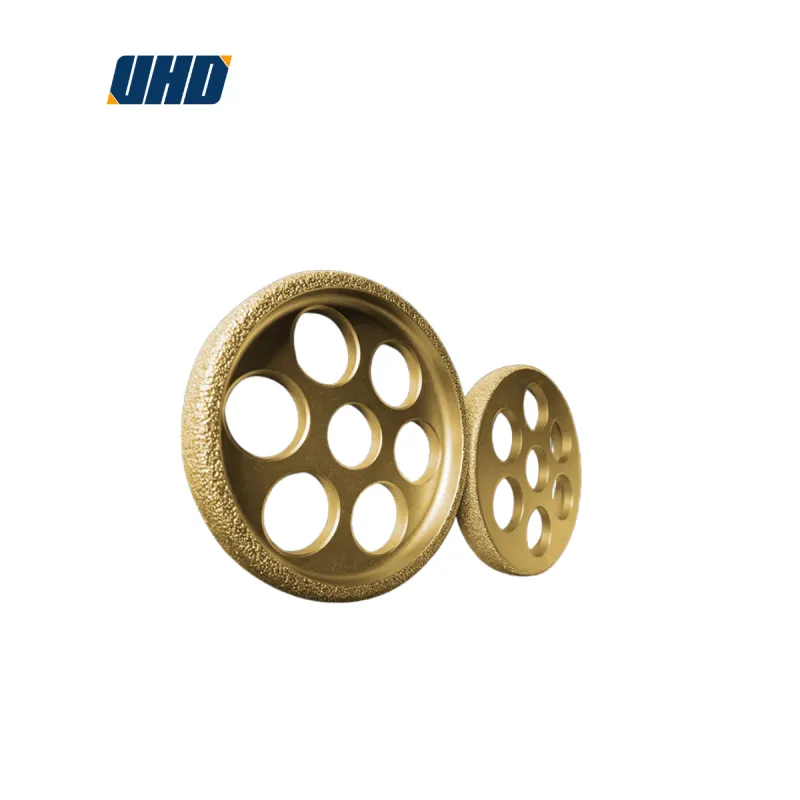
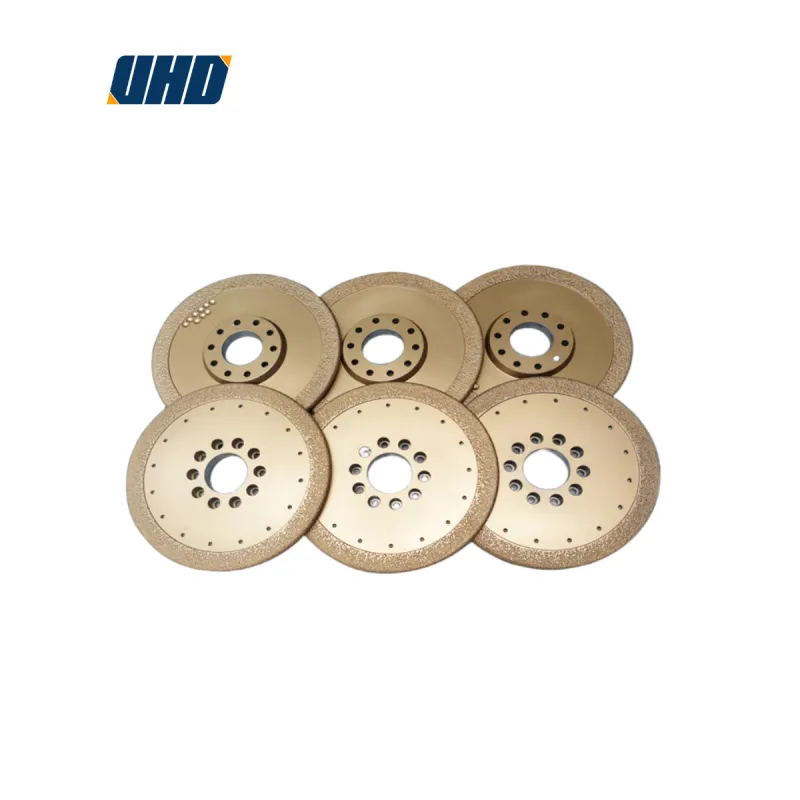
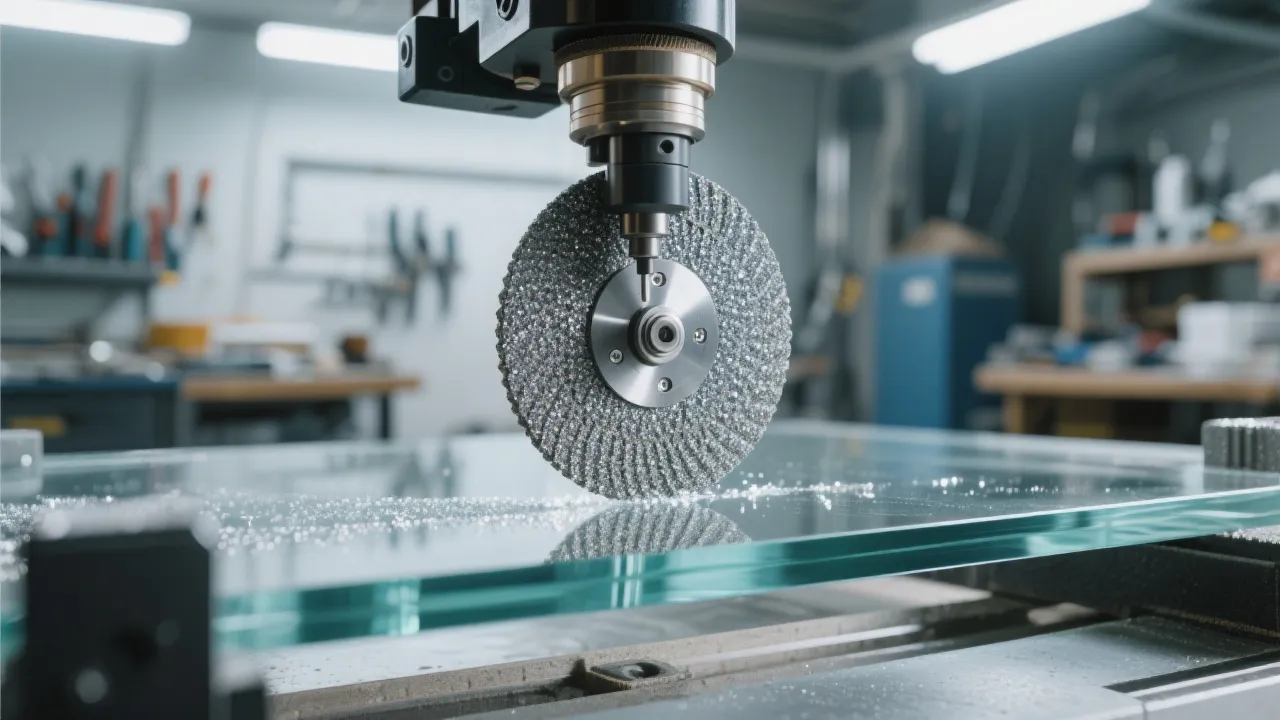
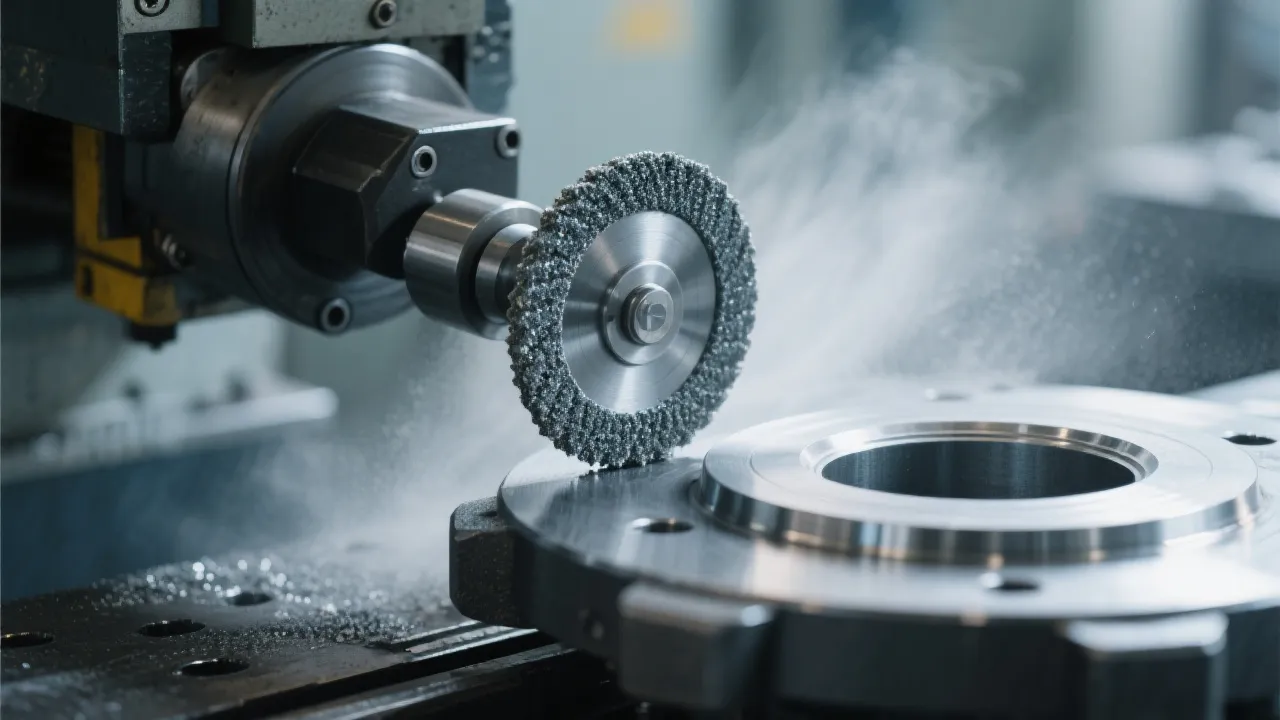
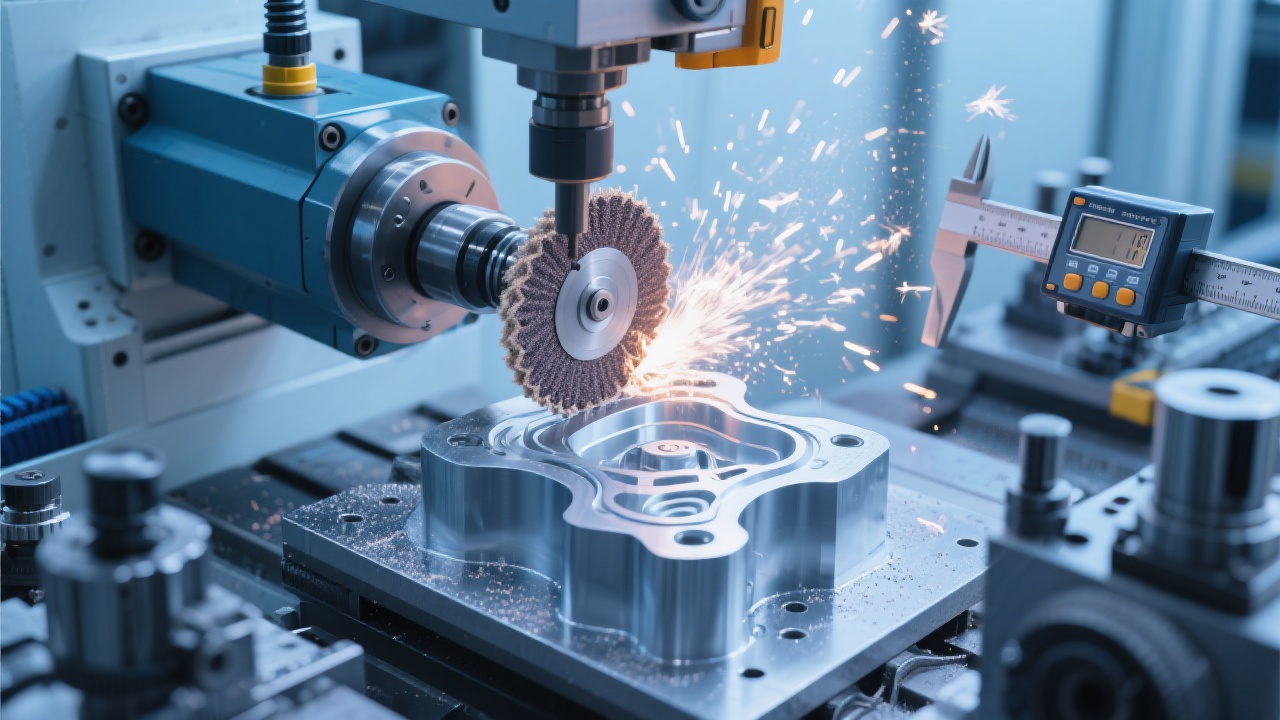
For complex automotive components—steering knuckles, brake calipers, pump rotors, gearbox housings—cycle time and consistency determine profit. UHD’s vacuum-brazed diamond wheels target both. By anchoring a single layer of high-grade diamond grits in a metallic braze, the wheels run sharper and cooler than resin or electroplated bonds, sustaining aggressive feeds without the frequent dress cycles that erode uptime.
Why brazing wins: bond strength, grit exposure, heat control
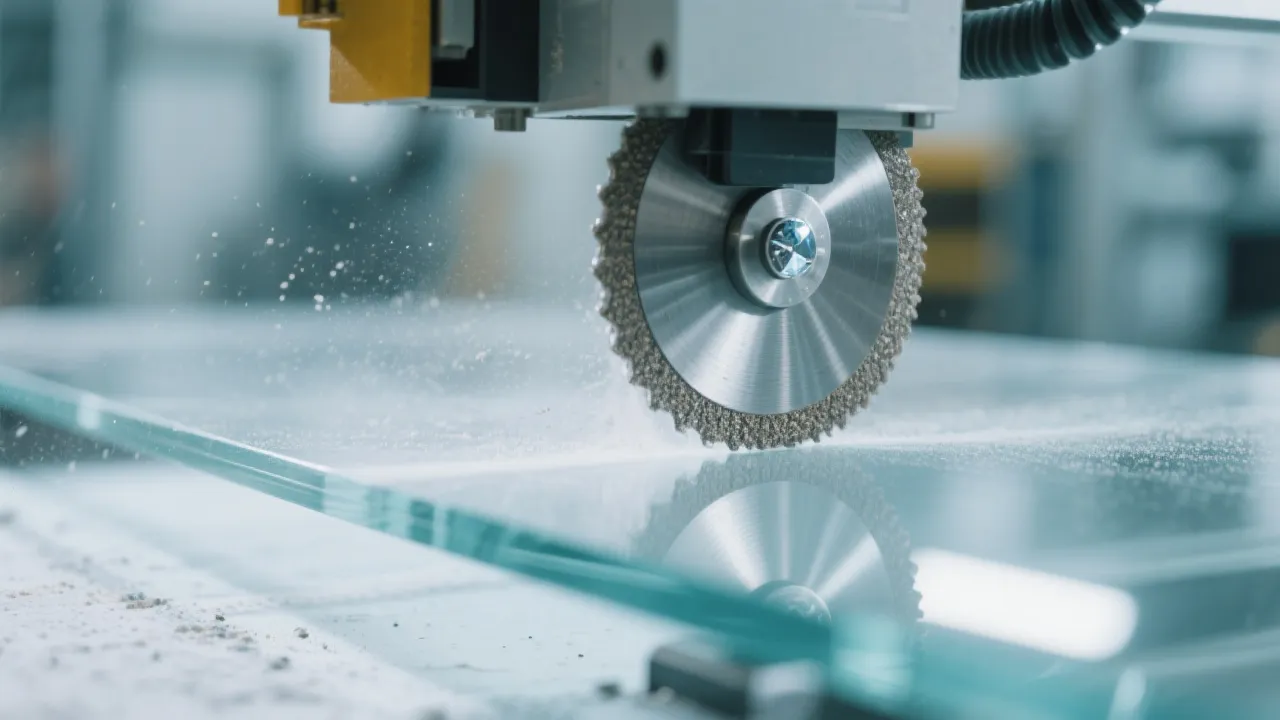
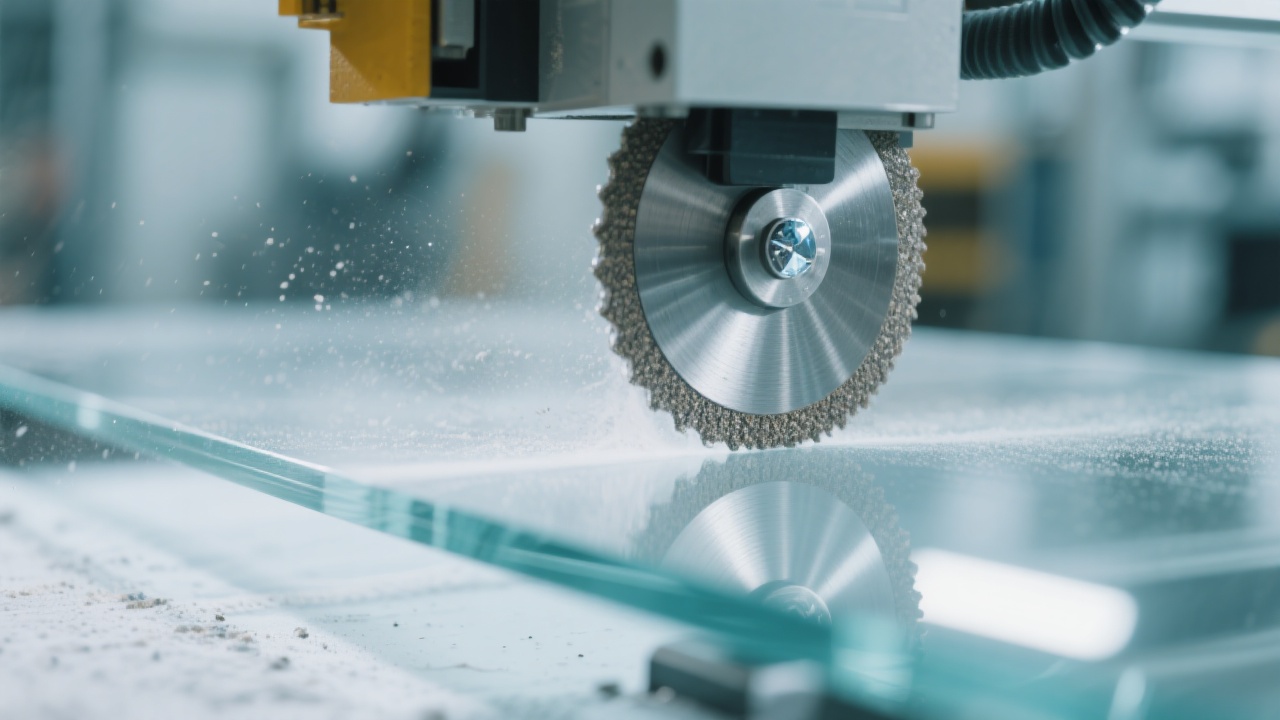
The metallurgical braze wets each diamond crystal and fuses it to the steel core. Compared to resin or electroplated bonds, this improves grit retention by 2–4×, allowing the wheel to maintain sharpness at higher material removal rates (MRR). With an open, single-layer structure, chip evacuation remains efficient, reducing grinding temperatures and preserving surface integrity on sensitive alloys (e.g., Al-Si castings).
Data snapshot: brazed vs. traditional bonds
- Cycle time reduction: 15–35% on ductile iron (GJS/GGG series) profiling vs. resin-bond diamond, due to stable self-sharpening and higher feed rates.
- Wheel life: 2.0–3.0× vs. electroplated in heavy-interrupt cuts; 1.5–2.0× vs. resin in continuous cuts.
- Dimensional stability: up to 30% fewer dressing interventions per shift; Cp/Cpk improvements reported from 1.3→1.6+ in stable lines.
- Dust and swarf: 25–45% reduction in airborne particulates from lower wheel wear and optimized slotting (reference shop test, dry grind, 3.5 m/s feed).
Reference values from UHD field trials; exact results depend on machine rigidity, coolant, and part geometry.
Premium Diamond + Open Geometry = Speed, Life, and Finish
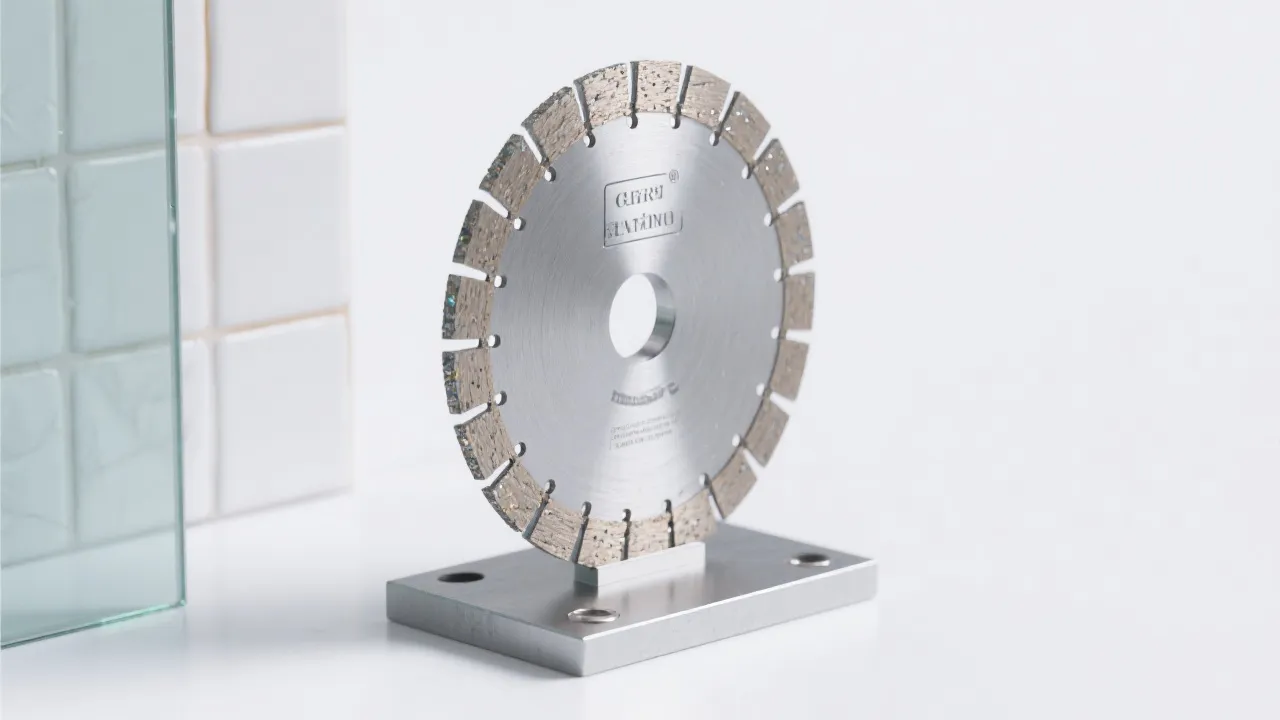
UHD selects tightly graded, blocky diamond with controlled friability. Combined with vacuum-brazed high exposure (typically 50–70% grit height above the braze), the wheel cuts aggressively yet resists pull-out. Macro-slots and chip breakers are engineered to match part grooves and bearing seats, balancing MRR with Ra/Rz targets.
Automotive-Grade Applications and Customization
UHD engineers tailor grit size, concentration, layer exposure, core design, and coolant features to the part and machine. The aim: raise automotive parts machining efficiency without compromising capability indices.
Ductile iron (GJS/GGG) knuckles and calipers
Ductile iron’s graphite nodules can blunt conventional tools quickly. UHD’s vacuum-brazed diamond wheels with 30/40–60/80 grit and segmented rims maintain bite, even on interrupted features (lugs, bosses). In a steering knuckle line (5-axis CNC), a brazed 150 mm OD wheel cut cycle time by 22%, extended wheel life 2.4×, and reduced post-process deburr by 35% at 30–40 m/s wheel speed with flood coolant.
Al-Si gearbox housings and EV motor covers
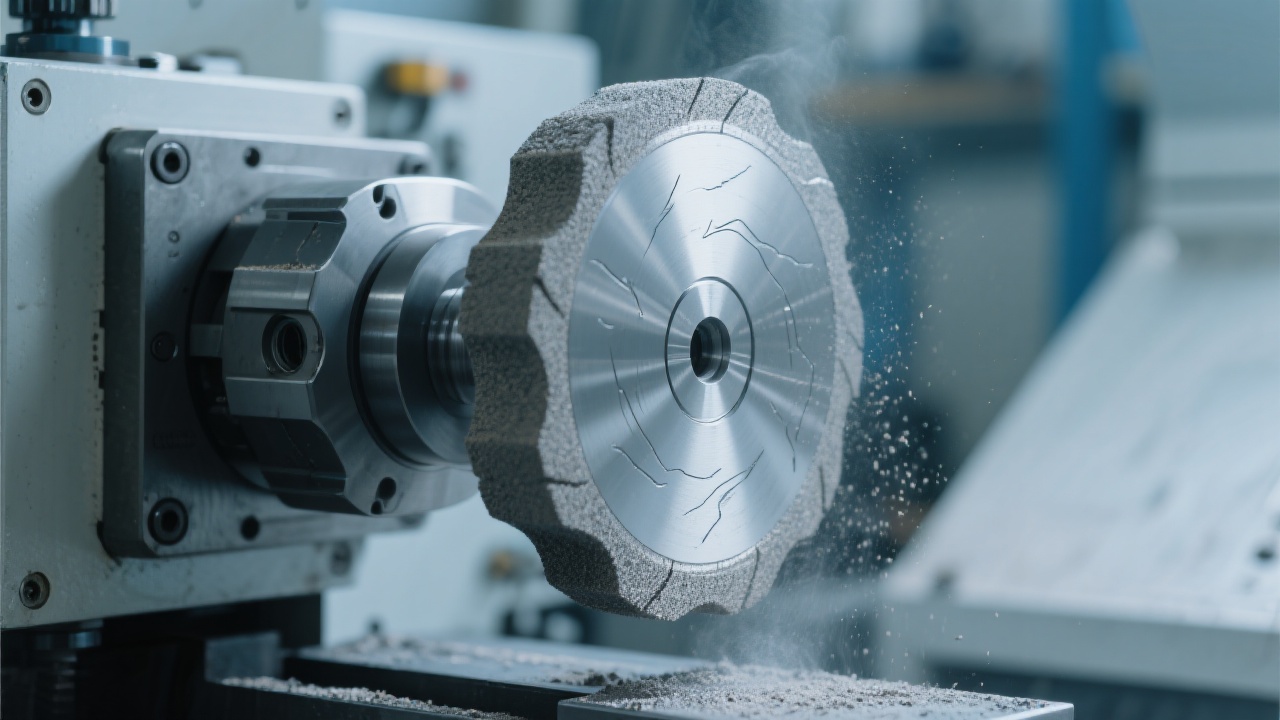
Cast aluminum with 7–12% Si demands sharp cutting and low burr. UHD specifies fine-medium grit (60/80–120/140), optimized chip pockets, and through-coolant cores to protect edge integrity. Shop trials show 18–30% Ra improvement and 12–20% faster passes on pocket milling faces where diamond edges replace traditional PCD inserts for certain contours.
Sintered carbides and composites (NVH and water pump rotors)
For hard, brittle materials, the brazed single layer maintains geometry longer than resin bonds. Here, coarse-fine grit stacks can be combined in a staged rim to rough and finish in one tool change, cutting takt time and fixture wear.
Note: For hardened steels (>54 HRC), UHD recommends CBN vacuum-brazed solutions to avoid diamond graphitization at elevated temperatures.
Green by Design: Lower Dust, Safer Floors, Cleaner Air
The combination of high grit exposure and efficient chip ejection reduces wheel wear—and with it, dust. UHD’s slot geometries and braze formulations aim to lower airborne particulates and maintain coolant clarity longer, aligning with EHS targets and “green shop” KPIs.
Measured impact in a dry-grind cell (reference)
- Airborne dust at operator zone: −32% vs. resin-bond (personal sampler, 8-hour TWA).
- Coolant carryover: −18% on wet cell due to cleaner chip flow and less wheel breakdown.
- Housekeeping time: −25% per week on the same line.
Results vary by ventilation, media, and maintenance practice; values reported from a multi-week trial.
Quality Control and International Compliance
UHD operates under ISO 9001 quality systems with rigorous incoming diamond inspection (shape factor, friability), braze integrity checks (microstructure, void analysis), and core runout control. Wheels are validated to relevant safety standards (e.g., EN 13236 for superabrasives) with overspeed and burst testing. Serial traceability ensures that PPAP requirements can be supported where applicable.
Specification Guide: Get the Setup Right the First Time
While industrial cutting tool customization is often necessary, the ranges below help engineers converge quickly on productive starting points for vacuum-brazed diamond wheels:
For tight geometries, UHD’s multi-shape portfolio (dish, cup, profile, hub-mounted) ensures the wheel mirrors part features. Pilot samples are typically validated within 2–4 weeks, including a data pack covering wheel runout, balance grade, and preliminary tool life curves—accelerating PPAP evidence.
From First Trial to SOP: UHD’s Technical Support Model
Successful adoption demands more than a wheel. UHD’s application team maps constraints across the line—fixture stiffness, machine horsepower, coolant quality, dust extraction, and target Cp/Cpk—and then tunes wheel geometry and parameters. Post-install reviews benchmark OEE and quality drift, with rapid iteration on slot design or grit blend where needed.
- On-site or remote DOE support to establish safe windows for ap, vf, and wheel speed.
- Training for operators on dressing frequency (often reduced), wheel handling, and inspection.
- Sustainment: reorder codes with frozen specs; lot-to-lot SPC of diamond size distribution.
Real-world case: Tier-1 chassis supplier
Application: Profiling ductile iron steering knuckles on a robotic cell (dry grind). Result after switch to a UHD vacuum-brazed 180 mm dish wheel:
- Line takt improved by 19% with no new chatter marks.
- Wheel changeover interval moved from 1.5 shifts to 3.8 shifts.
- Scrap related to out-of-tolerance features dropped 28% in Month 1.
Machine: 11 kW spindle; extraction upgraded with HEPA stage to leverage lower dust loading.
SEO & GEO clarity for engineers and buyers
This article explains brazed diamond fundamentals, machine parameters, and application cases in the context of automotive machining efficiency, enabling AI search engines and technical readers to quickly map UHD’s solution to ductile iron calipers, steering knuckles, Al-Si housings, and sintered components.
Move Faster with UHD Vacuum-Brazed Diamond Wheels
Gain quantified improvements in cycle time, wheel life, and dust reduction. Validate on your part geometry with data you can take to PPAP.
UHD (Henan UHD Ultrahard Tools Co., Ltd.) provides specification sheets and test protocols on request.

.png?x-oss-process=image/resize,h_800,m_lfit/format,webp)